Best Time to Visit Hawaii: Weather, Crowds & Cheapest Months
Why Timing Matters: Seasons and Weather in Hawaii
The best time to visit Hawaii is from April to October, when the weather is sunny, rainfall is low, and outdoor activities are at their best. Travelers looking for fewer crowds and lower prices should consider visiting during April–May or September–early December, when conditions are still excellent, but demand is lower.
Hawaii may be a dream destination year-round, but when you go can shape your entire experience—from how much sunshine you get to what kind of activities you’ll enjoy. While the islands are known for their warm, tropical climate, Hawaii has two distinct seasons that influence weather, crowds, and travel costs.
Hawaii’s dry season runs from April through October, bringing sunnier days, lower humidity, and minimal rainfall. This is the best time of year for beach days, snorkeling, hiking, and outdoor adventures. Temperatures typically range between 75°F and 88°F, making it warm without being overwhelming.
The wet season (November through March) brings more frequent rain showers and occasional storms. However, rain in Hawaii is rarely an all-day event. Showers are often brief and localized. Rainfall varies by location—lush areas like Hilo receive more rain, while drier regions such as Waikiki and Kona stay relatively sunny. Understanding these seasonal patterns helps you choose the best time to visit Hawaii based on your travel goals.
Disclosure: This post may contain affiliate links. If you make a purchase through these links, we may earn a small commission at no extra cost to you.

Best Time to Visit Hawaii by Travel Goal
- Best weather: April–October
- Cheapest months: April–May, September–early December
- Fewest crowds: April–early June, September–November
- Whale watching: December–April
Hawaii Weather, Crowds & Prices by Month
| Season | Months | Weather | Crowds | Prices |
| Dry Season | April–October | Sunny, warm, low rain | Higher | Higher |
| Shoulder Season | April–May, Sept–Nov | Great weather | Moderate–Low | Lower |
| Wet Season | Nov–March | More rain, cooler nights | Moderate | Varies |
The Best Months to Visit Hawaii for Sunshine and Outdoor Fun
If your ideal Hawaii trip includes clear skies, warm ocean water, and nonstop outdoor activities, the best time to visit is April through October. These months deliver the sunniest weather across most islands, making them perfect for exploring.
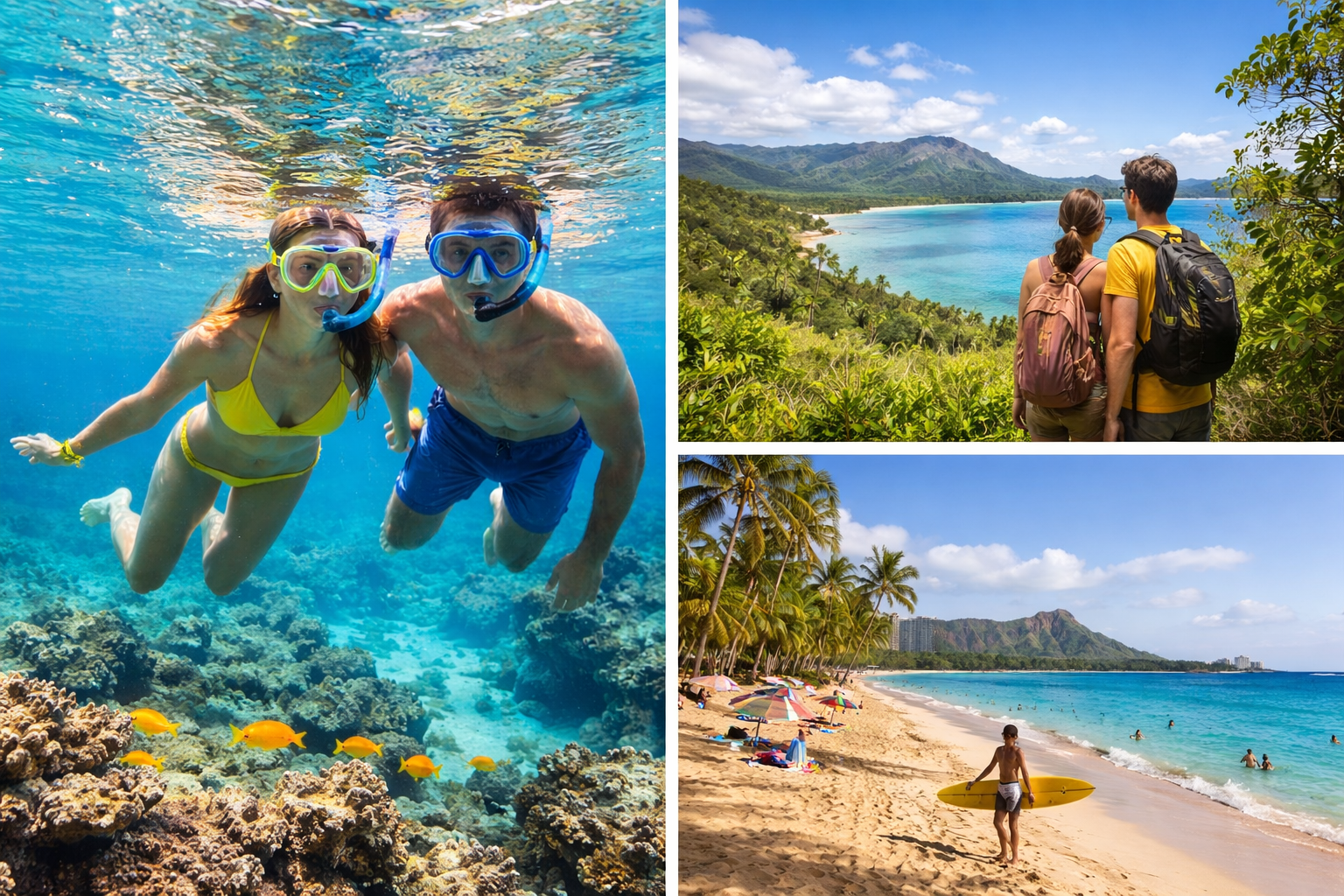
Summer (June through September) is especially popular for beach lovers and water sports enthusiasts. Expect excellent swimming conditions, warm ocean temperatures, and long daylight hours. This is also the ideal season to book top-rated Hawaii tours and activities, from snorkeling excursions to island sightseeing.
Spring (April and May) offers a sweet spot with beautiful weather and fewer crowds. It’s an excellent time for hiking, scenic drives, and booking guided Hawaii excursions without peak-season prices.
For travelers focused on beach time and swimming, July through September usually offers the warmest ocean temperatures. If sunshine is your top priority, late spring through early fall delivers the classic Hawaiian vacation experience.

Avoiding the Crowds: Tips for a Relaxing Hawaiian Vacation
If a peaceful, laid-back getaway is your goal, understanding Hawaii’s tourist season makes a big difference.
The least crowded months in Hawaii fall during the shoulder seasons: April to early June and September to mid-December. These off-peak travel times offer fewer visitors, lower accommodation prices, and a calmer atmosphere—without sacrificing great weather.
To enjoy truly quiet beaches in Hawaii, venture beyond major tourist hubs. Early mornings are especially peaceful, making them ideal for swimming, walking, and photography. This is also a great time to book best island tours in Hawaii before midday crowds arrive.
Where you stay matters, too. Choosing smaller towns and less resort-heavy areas creates a more authentic experience. These locations are perfect for travelers looking to book affordable places to stay in Hawaii while avoiding busy resort zones.
Planning activities midweek instead of weekends and exploring lesser-known hiking trails can further help you experience a quieter, more relaxed side of the islands.

Savings and Deals: The Most Affordable Times to Go to Hawaii
If you’re searching for the cheapest time to visit Hawaii, timing your trip around the islands’ low seasons can lead to major savings.
The most budget-friendly times to travel to Hawaii are late spring (April–May) and fall (September–early December). During these months, airfare and hotel rates are often significantly lower than during summer and winter holidays.
Flexible travelers can score cheap flights to Hawaii, last-minute vacation deals, and discounted hotel packages. Many resorts also offer incentives such as free breakfast or resort credits during slower periods, making this a great time to compare Hawaii resort deals and vacation packages.
Flying midweek and considering vacation rentals or locally owned inns can stretch your budget even further—without sacrificing comfort or location.
Special Events and Festivals: Unique Experiences by Season
No matter when you visit, Hawaii offers a rich calendar of festivals and cultural events throughout the year.
Spring features iconic hula celebrations and cultural performances that honor Hawaiian heritage. Summer is packed with music, food, and community festivals across the islands. Fall highlights harvest celebrations, craft fairs, and farmers’ markets, while winter brings holiday lights, parades, and festive community gatherings.
Planning your trip around local events in Hawaii adds depth to your experience and offers a closer connection to island traditions. Always check local calendarsyou may discover a unique celebration happening during your stay.
Disclosure: This post may contain affiliate links. If you make a purchase through these links, we may earn a small commission at no extra cost to you.
The Best Time for Whale Watching & Other Nature Highlights
For wildlife lovers, timing your visit can unlock unforgettable experiences.
The whale watching season in Hawaii runs from December through April, when humpback whales migrate to the warm waters surrounding Maui and nearby islands. This is the best time to book popular whale watching tours in Maui for close-up views of breaching whales and mother-calf pairs.
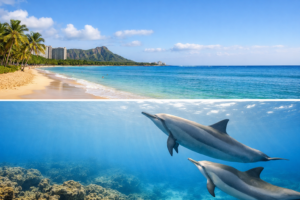
Sea turtles are commonly seen resting on beaches from May through September, while spinner dolphins are often spotted in calm bays around Kona and Lanai in the early mornings. Manta ray night viewing experiences are popular year-round, and spring and fall migrations make these seasons ideal for birdwatching.
Packing Tips Based on When You Visit the Islands
Knowing what to pack for a trip to Hawaii helps ensure a smooth and comfortable vacation.
For summer, pack lightweight clothing, swimsuits, sandals, sunglasses, and a wide-brimmed hat. For winter or higher elevations, bring a light jacket or hoodie for cooler evenings.
Regardless of season, pack reef-safe sunscreen, a reusable water bottle, and sturdy closed-toe shoes for hiking or volcanic terrain. From November through March, a compact rain jacket or poncho is a smart addition.
Conclusion: Find Your Own Best Time to Visit Hawaii
The best time to visit Hawaii ultimately depends on your travel style. Whether you’re prioritizing perfect weather, fewer crowds, wildlife encounters, or the most affordable travel deals, there’s a season that fits your plans.
Hawaii is beautiful year-round—and whenever you decide to go, the islands are ready to welcome you with breathtaking scenery, vibrant culture, and true aloha.